In the evolving landscape of security solutions, the "Motor For Lock" plays a pivotal role. This component integrates advanced technology into locking mechanisms, ensuring safety and convenience. According to a recent market analysis by Statista, the global motorized lock market is expected to exceed $2 billion by 2025, reflecting growing consumer demand for smart security systems.
Expert Jeremy Hunter, a leading figure in the locking mechanism industry, states, “The motor for lock technology enhances both security and user experience.” This underscores how motorized locks not only protect assets but also adapt to modern lifestyle demands. The precision and reliability of these motors are critical in maintaining security standards in households and businesses alike.
However, the implementation of motorized locks isn't without challenges. Issues like battery life and compatibility with existing systems can pose hurdles. Understanding these intricacies is vital for manufacturers and consumers. As the market grows, addressing these concerns will be essential for future developments in motor for lock technology.
What is a Motor for Lock?
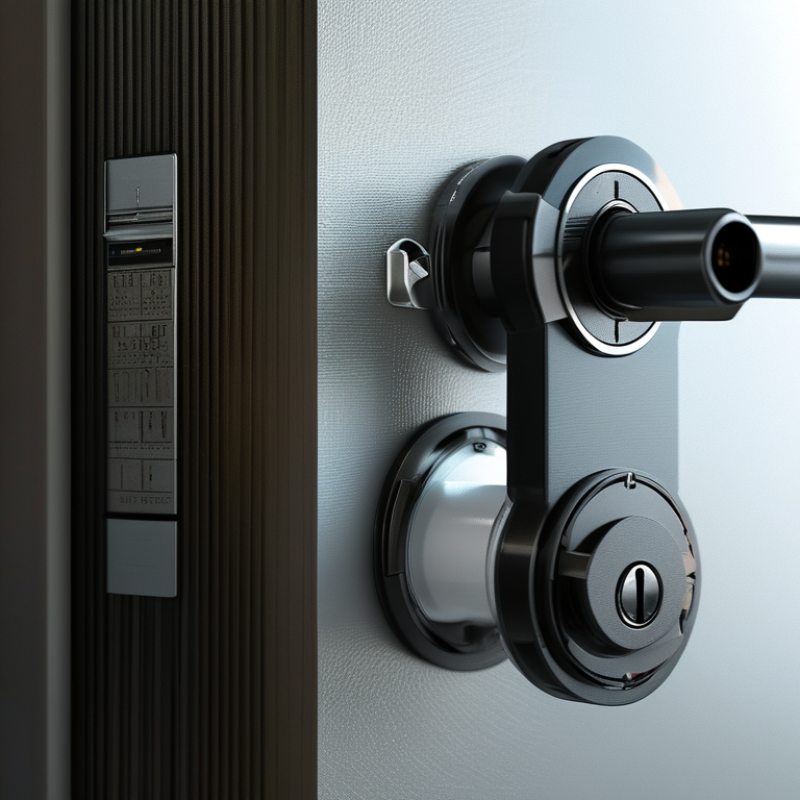
A motor for a lock is an integral component of electronic locking systems. It automates the locking and unlocking process, enhancing security and convenience. These motors operate using electrical signals to control the movement of locking mechanisms, providing a reliable alternative to traditional keys.
According to industry research, the global electronic lock market is projected to reach $2.85 billion by 2025, reflecting a growing trend toward automation and smart technology in security solutions. Motors used in locks vary significantly in complexity and power. Many operate on low voltage, making them energy-efficient. However, not all motors are created equal. Some may struggle with reliability, especially in extreme temperatures or heavy use situations.
Innovations in motor technology include the adoption of brushless motors, which offer longer lifespans and less maintenance. However, these advances come with their own challenges. For instance, installation can be complicated, requiring specialized knowledge. Acknowledging these nuances is crucial. Overall, the evolution of motors for locks signifies a shift toward smarter security solutions, yet users must remain aware of potential drawbacks.
Motor Types for Locking Mechanisms
The Functionality of Lock Motors
Lock motors play a crucial role in modern security systems. They provide automated locking and unlocking mechanisms that enhance convenience and safety. According to recent industry reports, the global electronic lock market is anticipated to reach USD 6.6 billion by 2025, growing at a CAGR of 18.8%. As more properties transition to smart solutions, understanding the functionality of lock motors becomes vital.
Lock motors operate using electrical signals from a control unit. When a user inputs a command, the motor engages a mechanism to secure or release the lock. These motors come in various forms: solenoid, gear, and rotary motors. Each type serves different applications depending on their design and torque output. Yet, challenges remain, such as compatibility with older systems and potential power supply issues.
Regular maintenance is essential for optimal performance. Any malfunction in the lock motor can compromise security. Reports suggest that 15% of electronic lock failures are due to battery issues. Users should stay informed about their system's health for reliability. Moreover, as technology evolves, newer models require updates in user knowledge to ensure effective use.
Types of Motors Used in Locking Systems
Motors used in locking systems play a crucial role in ensuring security and convenience. They convert electrical energy into mechanical movement, enabling locks to act automatically. Different types of motors are suited for various applications. Understanding these differences is vital for optimal security solutions.
The most common types include DC motors, stepper motors, and servo motors. DC motors provide smooth and continuous motion. They are often used in electronic locks. Stepper motors enable precise positioning. This precision is essential for high-security locks. Servo motors are typically used in advanced systems, offering excellent control and feedback. Their adaptability makes them popular in modern locking mechanisms.
Tips: Always consider the power source. Ensure the motor can operate under different conditions. Regular maintenance prolongs the motor's life. Test the locking mechanism frequently for any issues. Embrace the technology, but remain aware that even the best systems can have vulnerabilities.
How Motors Operate in Lock Mechanisms
Lock mechanisms rely on motors for efficient operation. These motors are typically small electric devices that convert electrical energy into mechanical motion. This process allows a locking system to engage or disengage automatically. Users often benefit from the ease of use that motorized locks provide, especially in automated systems.
The efficiency of motors in locks is crucial. They move bolts or latches swiftly, providing security without sacrificing convenience. However, motors can fail. Over time, mechanical wear might affect their reliability. Regular maintenance is essential to ensure they function smoothly. Users may face issues if a motor malfunctions during operation. Such challenges highlight the importance of understanding the mechanism behind these devices.
In many cases, manufacturers prioritize design and functionality. Advances in technology allow motors to be quieter and more efficient. Nevertheless, issues can arise, such as battery depletion in battery-operated locks. Users should be aware of these potential pitfalls. It is important to choose systems that balance ease of use and reliability. Investing in knowledge about motor functions can enhance user experience significantly.
What is a Motor For Lock and How Does It Work? - How Motors Operate in Lock Mechanisms
| Motor Type |
Operation Method |
Power Source |
Applications |
Advantages |
Disadvantages |
| DC Motor |
Rotary motion |
Battery or Power Supply |
Electronic locks, automotive |
Simple control, easy integration |
Limited operational lifespan |
| AC Motor |
Rotary motion |
AC Power Supply |
Industrial locks, heavy machinery |
High power capability, durability |
Requires electrical supply, complexity |
| Stepper Motor |
Precise control |
DC Power Supply |
Smart locks, robotics |
High precision, good torque |
Heating issues, complexity |
| Solenoid |
Linear motion |
DC Power Supply |
Locking mechanisms, gates |
Fast response, compact design |
Limited range of motion |
Applications of Motors in Security and Access Control
In modern security and access control systems, motors play a crucial role in enhancing safety and convenience. These motors facilitate the operation of electronic locks, gates, and barriers. According to a recent industry report, the global access control market is expected to reach USD 12 billion by 2025, indicating a growing reliance on motorized solutions. This evolution emphasizes the importance of reliable motor technology in securing premises.
Electric motors in locks are essential for automating entry points. They can operate from a remote location, providing users with quick accessibility. The motors can also adapt to various power sources, enhancing their versatility. For instance, battery-powered systems can ensure functioning during power outages, contributing to uninterrupted security. However, dependence on technology can also present vulnerabilities. As the industry evolves, ensuring motor system security against hacking and malfunctions is a concern.
In commercial spaces, motorized locks improve efficiency and safety. They can integrate with advanced identification systems, such as biometrics or RFID technology. According to a security technology report, about 40% of businesses have implemented advanced access solutions. This trend reflects the drive for a safer environment. Still, organizations must continually assess risks and protocols to adapt to emerging threats and technological developments. Striking a balance between convenience and security is an ongoing challenge in this field.
Conclusion
A Motor For Lock is an essential component in modern locking mechanisms, providing enhanced security and access control. Its primary function is to automate the locking and unlocking process, offering convenience and improved safety. Various types of motors, including electric, solenoid, and servo motors, are commonly utilized in these systems, each serving specific operational needs.
The operation of these motors within lock mechanisms typically involves translating electrical signals into mechanical movements that either engage or disengage the lock. The applications of Motor For Lock extend beyond residential use; they are integral in commercial security systems, smart home technology, and high-security environments, enabling efficient and reliable control over access points.
